
Six areas of support for television and live production
bulletico advises broadcasters, studio managers and event producers on the technical side of audiovisual production. Our work runs from the first floor plan of a studio to the signal flow of a live broadcast. Each service below has its own page section with more detail.
Studio Design Advice
Layout and equipment planning for television studios, from floor plans to cable routes and control room positioning.
Camera Control Systems
Guidance on camera control units, remote heads and shading setups for multi-camera productions.
Lighting Design
Lighting plots and rig plans for studio sets and live stages, balanced for broadcast cameras.
Sound Engineering Support
Audio chain planning, microphone placement and mixing workflows for broadcast and live events.
Live Event Workflow Planning
Production schedules, signal flow diagrams and crew coordination for live broadcast events.
Technical Training Sessions
Half-day and full-day sessions for crews on gallery operation, vision mixing and camera work.
Not sure which service fits? Describe your studio or event in a few lines through the contact page and we will tell you where we would start.
ServicesThe kinds of spaces and tasks we advise on
These scenes show the environments our advice applies to, from studio floors to control rooms and live stages. Each caption describes the planning questions we usually raise there.
-
Studio floor layout and cable routes
A studio floor is planned around camera movement, set positions and clean cable paths. We look at where crews walk and where cables cross before anything is fixed.

-
Camera positions on a multi-camera set
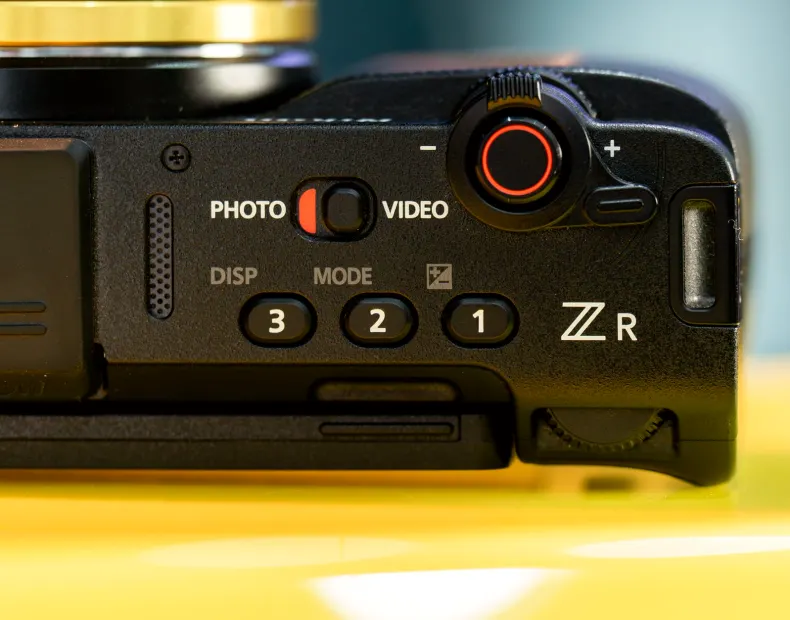
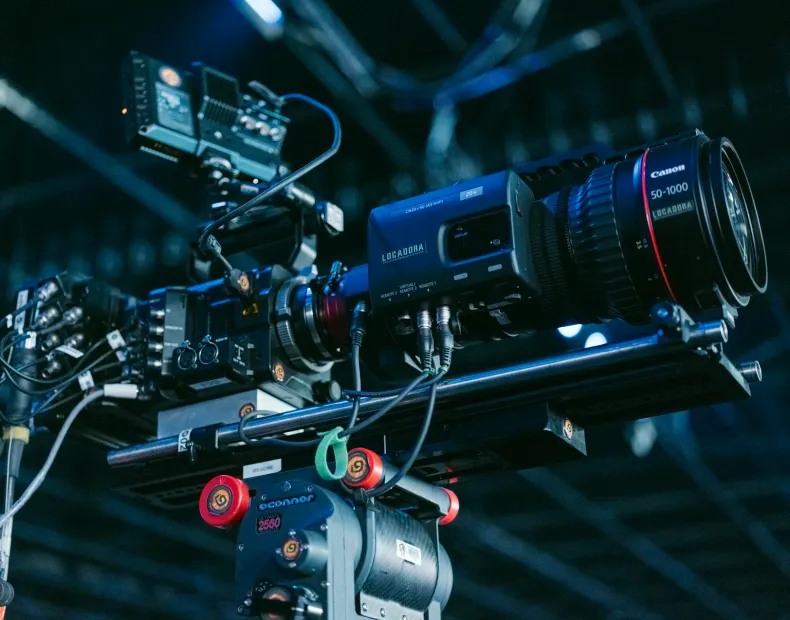
Camera placement decides what a director can cut between. We discuss lens choices, tripod or pedestal use and how remote heads fit the space.

-
Lighting rig above a studio set
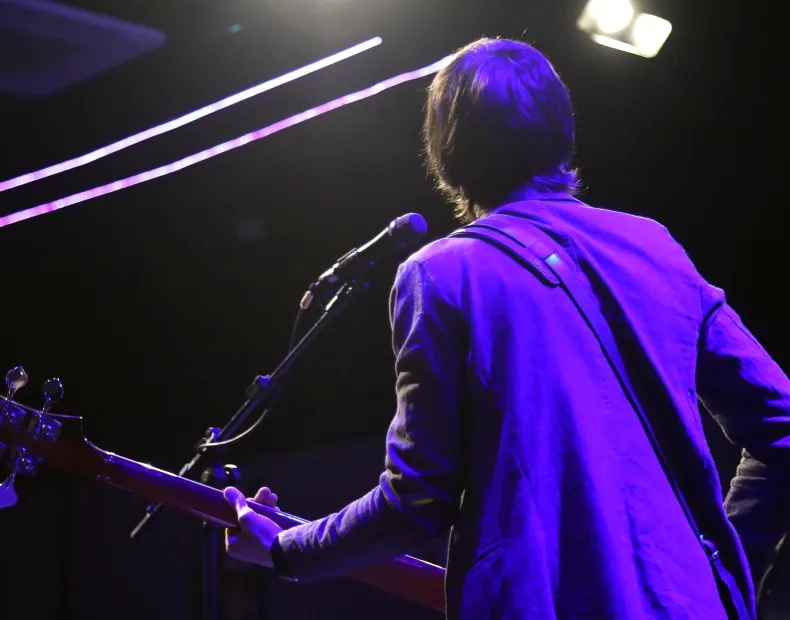
A lighting rig has to suit broadcast cameras as well as the eye. We balance key, fill and background levels so shading stays manageable.
-
Audio chain in a control room
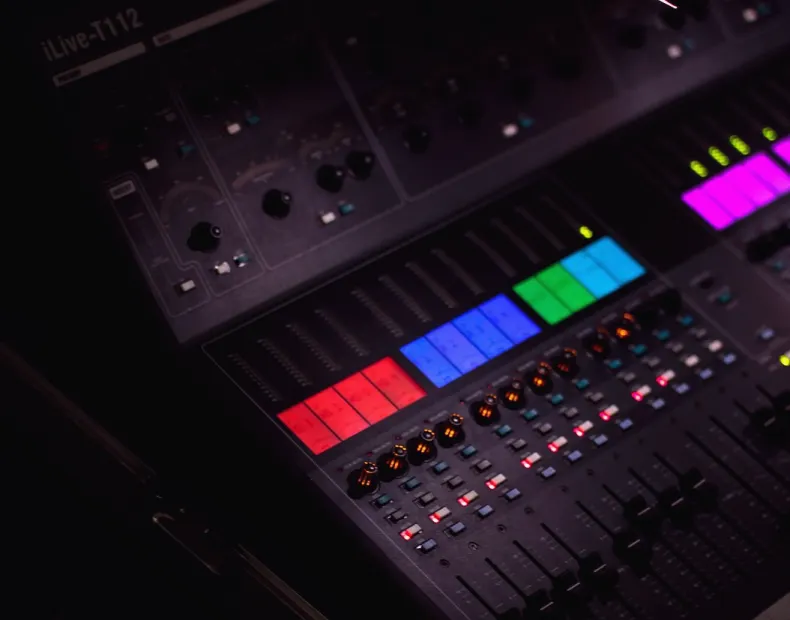
Good sound begins with a clear chain from microphone to mixer to output. We map each stage so faults can be traced quickly during a show.
-
Signal flow for a live event
For live events we draw the signal path from camera to screen and to air. Crew roles and cue points are written alongside it.
-
Gallery operation training
Training sessions put a crew in front of the desk they will use. Vision mixing, camera calls and talkback habits are practised in turn.
A Colchester consultancy for broadcast crews
bulletico started in 2012 as a small practice giving straight answers on studio and live event technology. We still work that way, with a team of four covering studio design, lighting, audio and workflow. Our clients are television networks and event producers across the UK.
- 2012Year founded
- 4Specialists on the team
- 6Service areas
How we work
From first enquiry to a plan your crew can follow
Every project begins with a conversation about what you need to put on screen. We then work through the technical detail and write it down in documents your crew can read at the desk. The steps below show the usual order, which we adjust to the size of the job.
-
Enquiry and brief
You tell us about the studio, programme or event through the contact page. We read it, ask what is missing and confirm whether our services suit the task before any work is agreed.
-
Review of the site or setup
We go through your floor plans, equipment lists and schedules, and where useful visit the space. The aim is to understand the real constraints, such as ceiling height, power and crew size.
-
Planning and drawing
The relevant specialist prepares the plans: floor layouts, lighting plots, audio chains or signal flow diagrams. Choices are explained in plain language so you can challenge them.
-
Revision with your team
We go through the drafts with your engineers or producers and change what does not fit how your crew works. Questions are answered in writing so the reasoning is kept.
-
Handover and support
You receive the final documents, and where booked we run a training session on the equipment or workflow. We remain available for questions as the plan is put into practice.
Tell us about your studio or event
Send us a few lines through the contact page. We will reply in writing with questions or a suggested way forward, and a written quotation if you wish to proceed.
Contact