What Lighting Design Costs and What Moves the Price
A plain account of how lighting plots and rig plans are priced for studio sets and live stages, and which choices make a job smaller or larger.
Why a lighting quote is hard to guess
Most of the questions I hear in these weeks begin with the same sentence: roughly what does a lighting plot cost? The honest answer is that it depends on a short list of things we can name quickly, and none of them is the size of the building. A small studio with three sets, tight turnarounds and demanding cameras can take more design time than a large stage lit with one broad look.
What we sell is design time: the drawings, the fixture schedule, the rig plan and the notes that let a crew rig and focus without guessing. Hardware is not part of it. Lighting Design at bulletico means lighting plots and rig plans for studio sets and live stages, balanced for broadcast cameras. The price follows the hours that work needs, and those hours follow the questions below.
Our written prices are on the Prices page, and a quotation confirms the figure for your own job. This article explains what sits behind those numbers, so you can see why two projects that look alike on paper end up with different totals.
The first driver: how many looks the space must hold
A single set lit for one programme is the simplest case. Each extra set, each change of mood within a show and each camera position that sees the space differently adds a layer of decisions. A news desk, an interview corner and a feature area in one studio are three lighting problems that must share a grid and a dimmer budget.
Live stages behave the same way. A stage that stays in one state through an event is far quicker to plot than one that moves from a keynote to a panel to a performance within an hour. Every state needs its own focus points and its own cues, and every one must still sit inside what the cameras can tolerate.
So when we scope a job, the first thing we ask is how many distinct looks there will be and how often they change. That single answer tends to move the design time more than anything else on the list.
- Number of sets or stage states
- How often the look changes during a show
- Whether sets share a grid or have their own
Camera count and what the cameras need
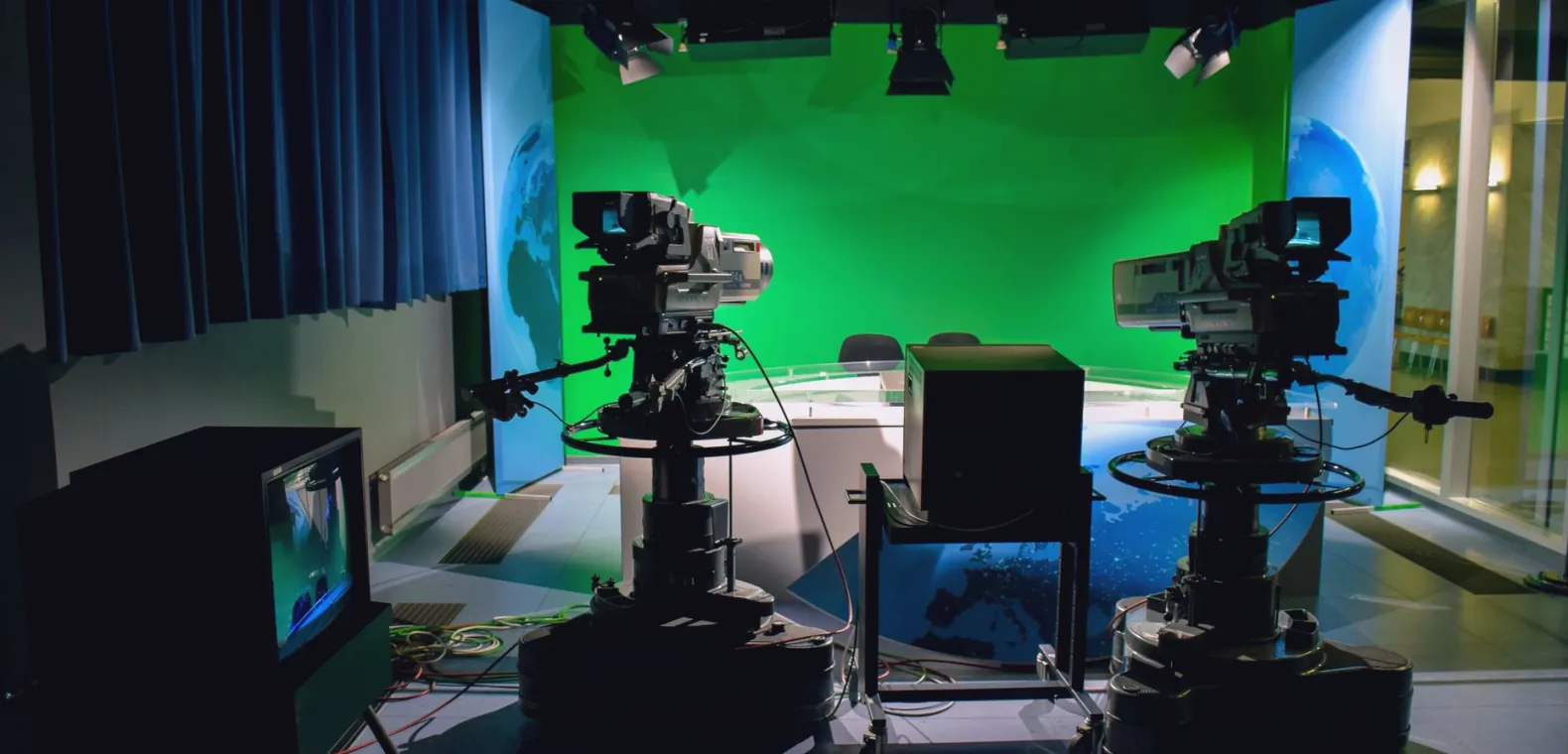
Lighting for broadcast is balanced for the lens as much as for the eye. A two-camera interview forgives a good deal. A multi-camera production with wide shots, tight close-ups and moving cameras asks for even coverage, controlled contrast and no hot spots in the background, from every angle at once.
That is why the camera setup is part of the brief we ask for early. The number of cameras, their positions and how they will be shaded all feed into the plot. A change of camera plan late in the process can mean redrawing fixture positions, which is design time you pay for twice.
If the camera control side is still open, say so. We can plan the lighting around the options, though a settled camera plan makes for a shorter and cheaper piece of work.
Existing rig or blank grid
Working with fixtures you already own is a different job from specifying a rig from nothing. When the equipment exists, the task is a plot that makes the best use of it, and that usually means surveying the grid, checking what each fixture can actually do and noting what is missing. It tends to be the quicker route.
A blank grid means we specify fixtures, positions, power and control as part of the plan. That is more drawing, more checking and more conversation about what can be hired, bought or borrowed. It is also the case where good design saves the most money later, because the wrong fixture in the wrong place is expensive to fix once it is rigged.
Rig height and access matter too. A low grid in a small studio limits beam spread and cooling space; a high stage truss calls for careful positions and safe working. We note both in the plan so the crew arrives knowing the constraints.
- Surveying and documenting an existing grid
- Specifying fixtures where none exist yet
- Ceiling height, access and power limits
Deliverables, revisions and attending on site
A price covers a stated set of documents: the plot, the fixture schedule and the rig plan, with a note of any assumptions we made. If you want cue lists, focus charts for each position or a handover note for a visiting crew, we say so in the quotation so the scope is clear on both sides.
Revisions are part of any real project. A reasonable round of changes after the first draft is normal and expected. Repeated reworks because the set, the camera plan or the schedule keep shifting are what push a job beyond its original figure, and we would rather tell you early than absorb the surprise at the end.
Attendance is separate from design. Some clients take the drawings and run the rig themselves; others ask for someone on the floor during the first focus session. Travel and days away from the office are priced on their own line, and the quotation shows them that way.
What to send us to get a firm figure
The quickest route to an accurate quotation is a short description through the contact page. Tell us the type of space, the number of sets or stage states, the cameras you plan to use, what lighting equipment already exists and when the work must be finished. A rough floor plan or a few photographs of the grid help more than a long email.
We reply in writing with a quotation that lists what is included and what would change it. Once you confirm, we issue an invoice, which is paid by bank transfer. Cancellations and refunds follow the payment and refund policy, which is published on the site.
If you are not sure what you need yet, say that. A short conversation about the space often shows which of the drivers above applies to you, and which can be left out of the scope altogether.
- Type of space and number of looks
- Camera count and positions
- Existing fixtures and grid details
- Delivery date and any site visits
The cost of lighting design comes down to a handful of choices: how many looks, how many cameras, what equipment exists, what documents you need and whether someone attends on site. None of them is hidden, and each can be settled in a short conversation. Send us the details of your space and we will return a written quotation that shows what is included and what would change it.