Six Lighting Mistakes in Studio Rigs and How to Avoid Them
Lighting plots go wrong in familiar ways: flat key light, uneven colour, rigs built before camera tests. Tom Fletcher walks through the common mistakes and the checks that prevent them.
Lighting the set for the eye instead of the camera
The most frequent mistake we see is a rig that looks good to a person standing on the studio floor and poor on the vision mixer's monitor. The eye adapts to contrast and colour in a way a broadcast camera never will. A set that feels warm and moody in the room can turn into crushed shadows and noisy blacks on the output.
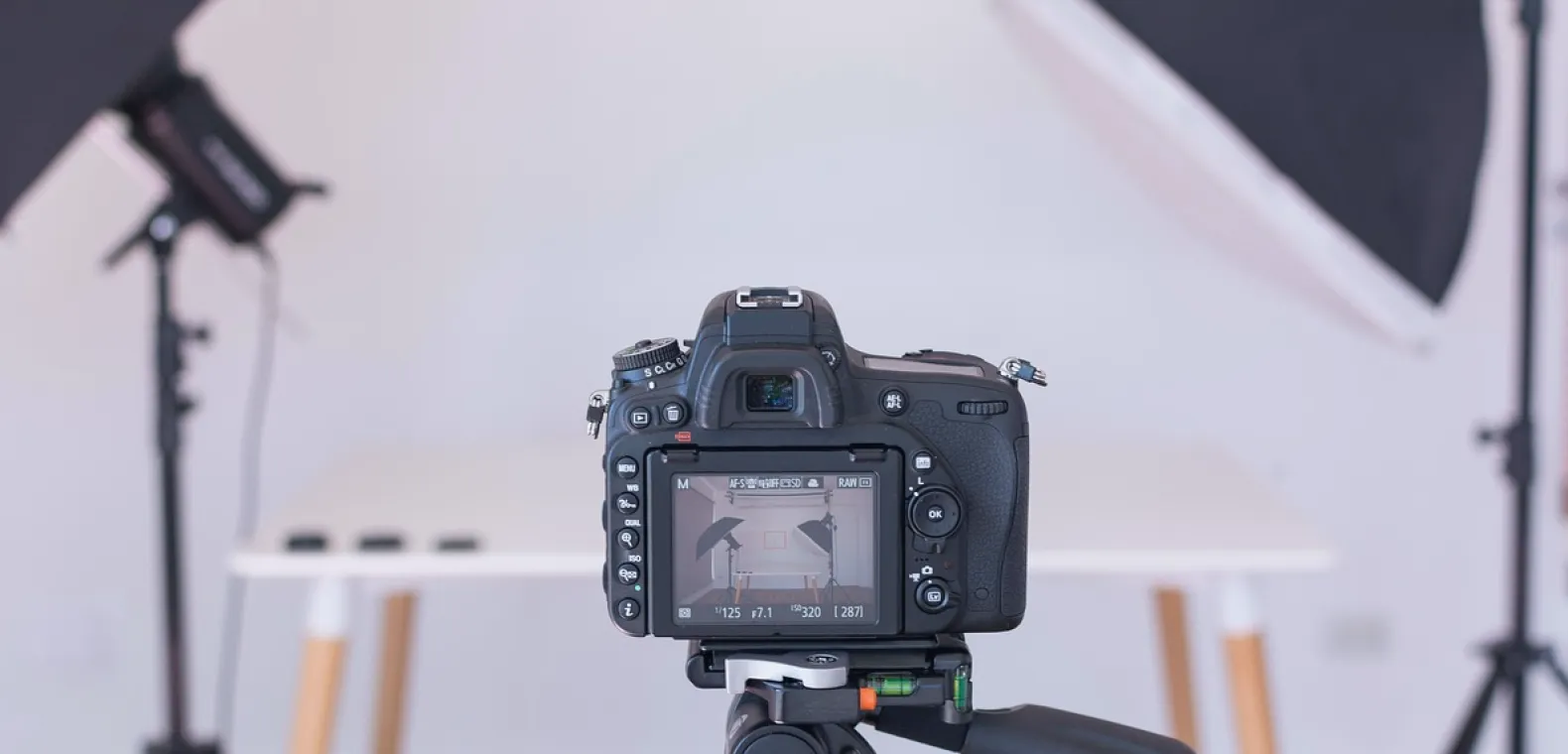
The fix is simple but often skipped: judge the plot from the camera's point of view. Put a camera on a tripod at each working position, open the shading to your normal exposure, and look at the waveform as well as the picture. If faces sit at a sensible level and the background holds detail, the rig is doing its job.
Bring the camera crew into this early. Operators know where they will stand, how wide they will go and which corners of the set they avoid. That knowledge belongs in the plot before a single lantern is hung, not after the first rehearsal.
- Check the plot on a monitor, never only by eye
- Set exposure from faces, then review the background
- Ask operators for their working positions first
Flat key light and no separation
A common habit is to light everything evenly so nothing can go wrong. The result is a set with no depth: presenters merge into the backdrop and the picture looks like a notice board. Broadcast lighting needs direction, with a key light that shapes the face and a back light that lifts the shoulders away from the set.
Separation does not need a large rig. A well-placed back light at a modest angle, kept off the camera lens, will do more than doubling the number of front lanterns. Watch for spill onto the floor, which can make dark clothing look grey.
Where the budget is tight, spend on control rather than quantity. Dimmable fixtures with decent barn doors let you cut light off walls and shape pools on the presenter, which is worth more than a dozen fixed lights that flood the whole space.
- Use a key and a back light before adding fill
- Keep back lights clear of the lens
- Cut spill off the floor and walls with shutters
Mixing colour temperatures without noticing
Studios often end up with a blend of tungsten, LED and daylight from a stray window or a monitor wall. Each source sits at a different colour temperature, and the camera has to pick one white balance. Faces drift green or orange from shot to shot, and the shading operator spends the show chasing them.
Decide on a single base temperature for the set and hold every fixture to it. Where an LED fixture offers adjustable colour, set it deliberately and write the value on the plot. Cover or flag windows, and check what practical lamps in the set are actually emitting.
Also look at the colour rendering of cheaper LED units. Two fixtures of the same stated temperature can render skin differently, and the difference shows on camera. Test them side by side on a presenter before committing to a batch.
- Pick one base colour temperature for the whole set
- Block daylight or match it deliberately
- Compare skin tones from different fixtures on camera
Ignoring power, rigging and heat
A plot is a drawing until it meets the building. We regularly meet rigs that overload a distribution circuit, hang weight on a grid that was never rated for it, or put so much heat under a low ceiling that the studio becomes uncomfortable within an hour.
Add up the load of every fixture before the plot is signed off, and keep a margin. Confirm what the grid or trussing can carry, and who is qualified to rig it. LED fixtures reduce heat and draw, which helps, but dimmer racks and cable runs still need checking.
Think about maintenance too. If a lamp cannot be reached without a tall access tower and half a day, it will stay blown for weeks. Place the fixtures that fail most often where a technician can get to them safely and quickly.
- Total the power load and keep a margin
- Confirm grid and truss ratings in writing
- Place high-use fixtures where they can be reached
Leaving rehearsal and cueing too late
For live stages and multi-camera shows, lighting is often left until the last hours before doors open. Cues are written on the day, presenters stand in marks that were never lit, and the operator is given no time to learn the desk. Mistakes at this stage are visible to every viewer.
Build a lighting rehearsal into the schedule, with presenters or stand-ins on their real marks and cameras running. Walk through each state of the show: opening, interviews, transitions, any screen content that changes the room's balance. Save each look as a numbered cue with a clear label.
Keep the written plot and the cue list together, and give a copy to the director and the vision mixer. When everyone shares the same document, a change on the day is a quick conversation instead of a guess.
- Rehearse with real marks and live cameras
- Label every cue and store it with the plot
- Share the plot with director and vision mixer
Treating the plot as finished once it is drawn
A plot is a working document. Sets get altered, a guest arrives with a bright jacket, a screen is added upstage. The mistake is to defend the drawing instead of the picture. If the output looks wrong, the plot should change.
Keep a short log after each recording or event: what worked, what needed adjusting, which fixtures were swapped. Over a few productions this log becomes the most reliable guide to how your particular studio behaves, including quirks no drawing would show.
Review the rig with fresh eyes now and then, particularly as the season changes and natural light through any openings shifts. A short check against a monitor costs little and catches drift before it reaches air.
Most lighting problems are planning problems that appear late. Judge the plot through the camera, give faces direction and separation, hold one colour temperature, check the building before the drawing, rehearse the cues and keep the document alive after the first show. None of this needs a large budget, only a habit of testing early. If you want a second pair of eyes on a plot, the contact page is the place to start.